Top Advantages of Thermal Break Aluminum Profile in Modern Architecture?
In the world of modern architecture, the choice of materials is crucial. One standout option is the Thermal Break Aluminum Profile. This innovative product offers numerous advantages that can enhance both the aesthetic appeal and performance of a building. By incorporating thermal break technology, architects can significantly reduce heat transfer. This leads to improved energy efficiency and enhanced comfort for occupants.
Moreover, the design flexibility of Thermal Break Aluminum Profiles is impressive. They can be customized to fit various architectural styles, providing endless possibilities. However, it is important to consider installation and maintenance carefully. While the benefits are clear, improper installation can lead to thermal bridging, which undermines energy savings.
Thus, while Thermal Break Aluminum Profiles present exciting opportunities for modern designs, careful planning and execution are vital. Balancing their advantages with potential challenges is essential for achieving a sustainable architectural vision.
Understanding Thermal Break Technology in Aluminum Profiles
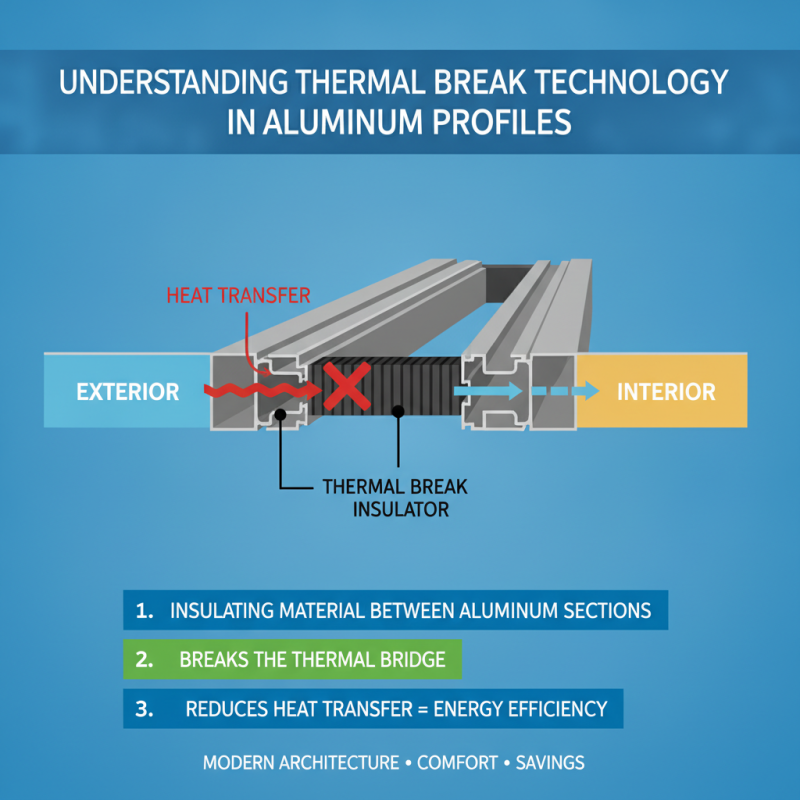
Thermal break technology plays a crucial role in modern architecture. This technique involves inserting an insulating material between the interior and exterior sections of aluminum profiles. By breaking the thermal bridge, it significantly reduces heat transfer. This results in improved energy efficiency for buildings.
Additionally, thermal break aluminum profiles enhance comfort. They minimize condensation on windows and doors. This creates a more pleasant indoor environment, especially in extreme climates. The reduction in heat loss also leads to lower energy bills, which is appealing for both homeowners and builders.
However, not all thermal break systems are equally effective. Some may require specific conditions to perform optimally. It’s essential to assess the design and location of buildings. The right choice can lead to substantial long-term benefits. This technology demands careful evaluation for best results.
Key Benefits of Thermal Break Aluminum Profiles in Architecture
Thermal break aluminum profiles offer significant benefits in modern architecture. These profiles effectively reduce thermal conductivity. According to industry research, buildings using thermal break technology can achieve energy savings of up to 30%. This reduction is crucial for meeting energy efficiency standards. Improved insulation leads to lower heating and cooling costs over time.
Another key advantage is enhanced comfort. By minimizing heat transfer, these profiles help maintain stable indoor temperatures. This stability ensures greater occupant satisfaction. Studies show that buildings with effective thermal break solutions report lower absenteeism and higher productivity rates.
However, it is essential to recognize potential drawbacks. While thermal break aluminum profiles are effective, they can be more expensive than traditional solutions. This initial cost may deter some architects and builders. Additionally, installation requires skilled labor to ensure optimal performance. Ensuring proper installation is vital for maximizing the benefits of thermal breaks.
Top Advantages of Thermal Break Aluminum Profiles in Modern Architecture
Energy Efficiency Improvements with Thermal Break Profiles
Thermal break aluminum profiles are becoming essential in modern architecture. They provide significant energy efficiency improvements. The thermal break acts as an insulator, reducing heat transfer. This results in lower heating and cooling costs, benefiting both homeowners and businesses.
Improved insulation helps maintain comfortable indoor temperatures. When using thermal break profiles, the risk of condensation decreases. This can lead to better indoor air quality. Remember, preventing moisture buildup is crucial for a healthy environment.
Tips: When choosing thermal break aluminum, consider its energy ratings. Look for profiles that comply with local building codes. Regular maintenance can also enhance their performance. While they offer many advantages, proper installation is vital. Poor installation can negate the benefits of the thermal break.
Aesthetic Flexibility and Design Options of Thermal Break Aluminum
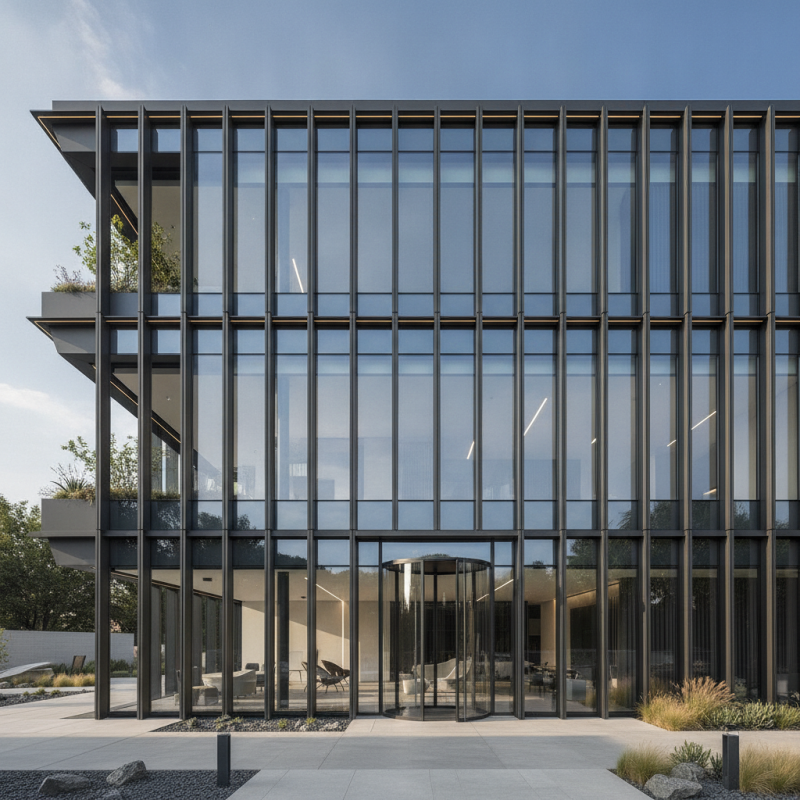
Thermal break aluminum profiles offer remarkable aesthetic flexibility in modern architecture. Their sleek lines and available finishes can easily complement various design styles. From minimalist to industrial, these profiles enhance structure without overwhelming the overall design. This versatility allows architects to realize their creative visions while ensuring energy efficiency.
The design options available with thermal break aluminum are extensive. Different colors, textures, and shapes can be easily tailored to fit any project. Architects can mix and match elements to create unique facades that attract attention. However, this adaptability can sometimes lead to overwhelming choices. It’s essential for designers to balance innovation with functionality to avoid design fatigue.
Moreover, while thermal break aluminum provides a modern look, practical considerations must be evaluated. They enhance thermal insulation, but the integration process can present challenges. There’s a learning curve to effectively implement these profiles in various environments. Designers must reflect on how best to incorporate them into their work, ensuring they contribute positively to both aesthetics and performance.
Top Advantages of Thermal Break Aluminum Profile in Modern Architecture
| Feature |
Description |
Benefits |
| Thermal Insulation |
Reduces heat transfer between the interior and exterior. |
Enhanced energy efficiency, leading to lower heating and cooling costs. |
| Aesthetic Versatility |
Available in various colors and finishes. |
Design flexibility to match any architectural style. |
| Durability |
Resistant to corrosion and weathering. |
Long lifespan, requiring less maintenance. |
| Sustainability |
Recyclable material and energy-saving properties. |
Supports eco-friendly building practices. |
| Sound Insulation |
Effective in reducing noise transmission. |
Creates a quieter indoor environment. |
Durability and Maintenance: Long-Term Advantages of Thermal Break Profiles
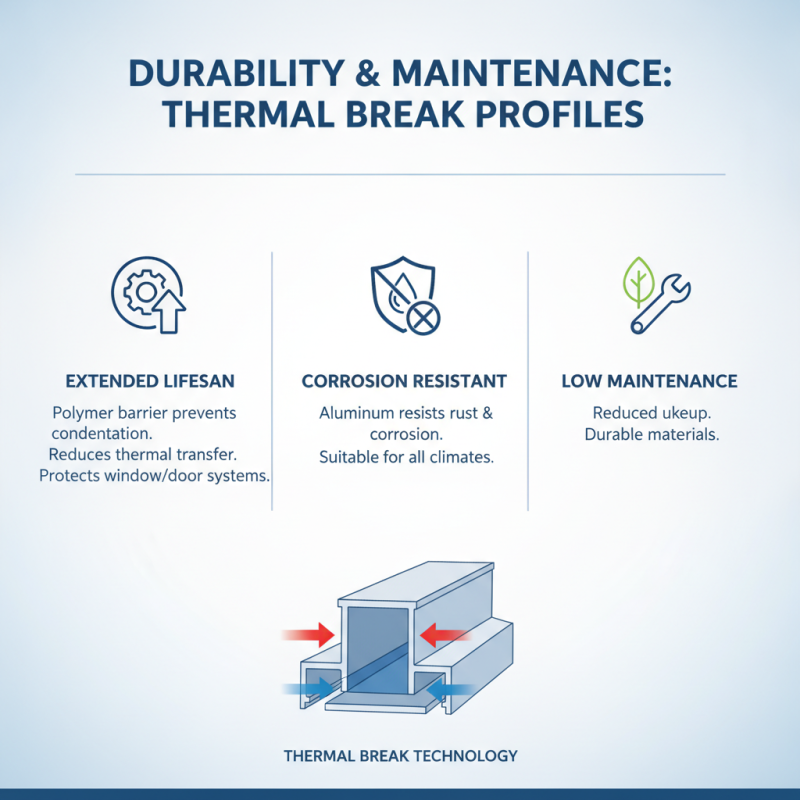
Thermal break aluminum profiles offer significant durability and low-maintenance benefits in modern architecture. Utilizing a polymer barrier, these profiles separate the interior and exterior of structures. This prevents condensation and reduces thermal transfer, which extends the lifespan of window and door systems. Their resistance to rust and corrosion also makes them ideal for various climates.
Tips for maintaining these profiles include regular cleaning. A mixture of mild soap and water works well for removing dirt. Check seals routinely to ensure they are intact. If gaps appear, consider resealing to maintain energy efficiency.
Another noteworthy aspect is the long-term performance of thermal break profiles. They withstand extreme weather, reducing wear and tear. However, improper installation can lead to thermal bridging. This highlights the importance of hiring experienced professionals for installation. Investing time in quality installation and routine maintenance can yield substantial savings by enhancing energy efficiency.