10 Best Sustainable Aluminum Profiles for Eco Friendly Projects?
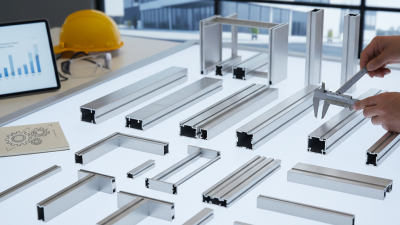
In the pursuit of eco-friendly construction, Sustainable Aluminum Profiles are gaining traction. These materials not only offer durability but also reduce the carbon footprint. Many architects and builders are now prioritizing sustainability.
Choosing the right sustainable aluminum profiles is crucial for any green project. These profiles can be sourced from recycled aluminum, making them an ideal option. Their lightweight nature allows for versatile applications, enhancing energy efficiency in buildings. However, there's a challenge: not all aluminum profiles are created equal. Ensuring that they meet sustainability standards requires research and expertise.
Promoting the use of sustainable aluminum profiles also comes with occasional drawbacks. For example, cost comparison with traditional options can be misleading. Sometimes, the initial investment in sustainable materials may deter some builders. Yet, in the long run, they lead to significant environmental benefits. Thus, understanding the landscape of sustainable aluminum profiles is essential for any project focused on ecological integrity.

Top Qualities to Look for in Sustainable Aluminum Profiles
When selecting sustainable aluminum profiles for eco-friendly projects, certain qualities are essential. Firstly, consider recycled content. Aluminum can be recycled indefinitely without degradation in quality. According to the Aluminum Association, recycling aluminum saves up to 95% of energy compared to primary production. This energy efficiency resonates especially in sustainable building designs.
Another vital aspect is durability. Sustainable aluminum profiles should withstand environmental stress while minimizing maintenance. High-quality finishes can extend the lifespan of aluminum products. Look for corrosion-resistant options, as they reduce the need for replacements. The lifespan of aluminum profiles can be much longer than other materials, which makes them a greener choice in the long run.
Water management features are also significant. Some sustainable profiles are designed to manage rainwater effectively, decreasing runoff and improving site sustainability. When assessing options, check if the profiles are engineered for ease of installation. Efficient construction minimizes waste and delays on-site.
Tips: Always verify the source of materials. Many manufacturers claim sustainability, but certifications matter. Manufacturer transparency about sourcing can guide your choices. Stay informed about the latest in eco-design to find optimal solutions for your projects.
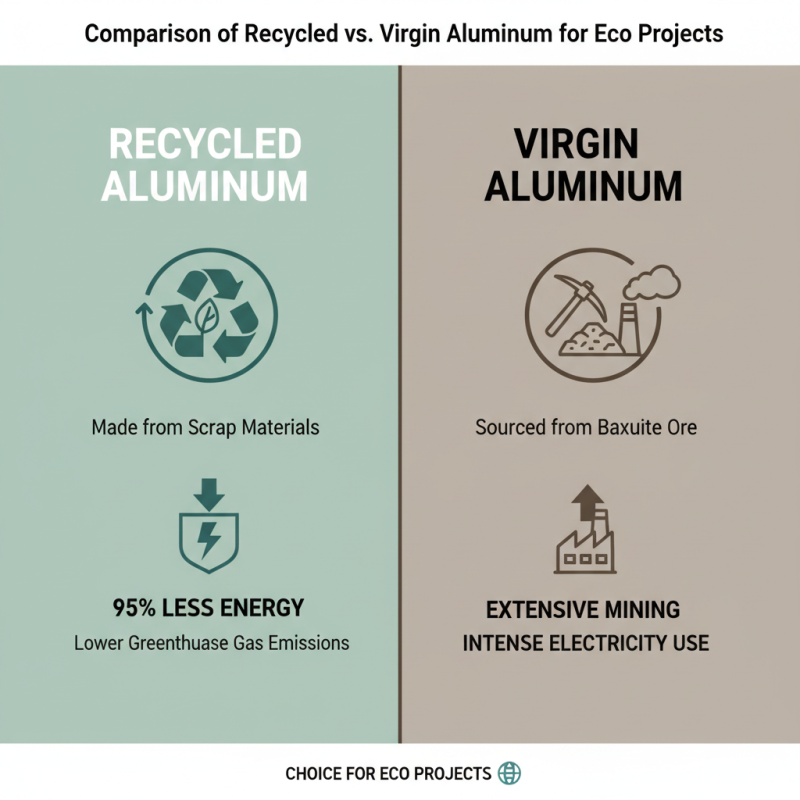
Comparison of Recycled vs. Virgin Aluminum for Eco Projects
When considering eco-friendly projects, the choice between recycled and virgin aluminum plays a crucial role. Recycled aluminum is made from scrap materials, which reduces energy consumption by up to 95%. This significant energy savings results in lower greenhouse gas emissions. On the other hand, virgin aluminum is sourced from bauxite ore, involving extensive mining and intense electricity use.
While recycled aluminum offers substantial environmental benefits, it may come with some limitations. The quality can vary, leading to potential inconsistencies in application. Projects requiring specific strength or durability might face challenges with recycled materials. However, advancements in recycling technology are continually improving the quality of recycled aluminum, making it a more viable option.
It’s essential to consider the intended use of aluminum in projects. Both types of aluminum have their merits and drawbacks. Evaluating the lifecycle impact helps in making informed decisions. Ultimately, the shift towards sustainable practices can only be achieved through thoughtful consideration and ongoing innovation in material sourcing.
Innovative Applications of Sustainable Aluminum Profiles
Sustainable aluminum profiles have become a game-changer in eco-friendly construction and design. Their lightweight nature allows for reduced energy consumption during transport. More architects are embracing aluminum for its recyclability. It can be reused multiple times without losing quality. This promotes a circular economy, benefiting the planet.
Innovative applications abound. From building facades to furniture, sustainable aluminum profiles enhance aesthetics and functionality. These profiles are often used in modular homes, providing flexibility in design. They meet stringent energy efficiency standards. There's a growing trend of incorporating aluminum in renewable energy projects, like solar panel frames.
However, not all sustainable choices are perfect. Sourcing aluminum can still have environmental impacts. The mining process is energy-intensive. It's essential to reflect on the entire lifecycle of these materials. Sustainable profiles must balance innovation with responsible practices. Each project invites us to question and improve our approach.
10 Best Sustainable Aluminum Profiles for Eco Friendly Projects
| Profile Type |
Recyclability (%) |
Weight (kg/m) |
Application Area |
Environmental Impact |
| Flat Bar |
100% |
8.0 |
Construction |
Low carbon footprint |
| Angle Profile |
95% |
6.5 |
Furniture |
Reduced energy usage |
| Tube Profile |
97% |
5.0 |
Automotive |
Recycling with minimal waste |
| Channel Profile |
90% |
7.5 |
Architecture |
Sustainable sourcing |
| Lattice Profile |
99% |
4.0 |
Solar Frames |
Low life cycle impact |
| Z Profile |
96% |
9.0 |
Scaffolding |
Enhances reusability |
| Decorative Profile |
94% |
3.5 |
Interior Design |
Aesthetic sustainability |
| I-Beam Profile |
92% |
10.0 |
Bridges |
Minimized construction waste |
| Rail Profile |
98% |
7.8 |
Transport |
Lifespan extension |
| C-Channel Profile |
93% |
6.2 |
Partitioning |
Energy-efficient production |
Leading Brands in Eco-Friendly Aluminum Profile Production
In the realm of sustainable construction, choosing the right aluminum profiles plays a critical role. Eco-friendly aluminum profiles can significantly reduce environmental impact when sourced responsibly. Leading manufacturers are increasingly adopting green practices, focusing on recycling and sustainable sourcing. They aim to minimize waste and enhance energy efficiency.
Many top brands utilize innovative technologies to produce aluminum profiles. These methods often involve lower emissions and reduced energy consumption. Some companies create unique designs that maximize strength while maintaining lightweight properties. This balance is essential for various applications, from building facades to interior architecture.
Despite the availability of sustainable options, challenges remain. Selection can be overwhelming due to the variety of products. Furthermore, not all manufacturers maintain consistent quality standards. It is crucial to verify a brand’s commitment to sustainability through certifications and transparent practices. Prospective buyers should conduct thorough research.
Environmental Impact of Using Sustainable Aluminum in Construction
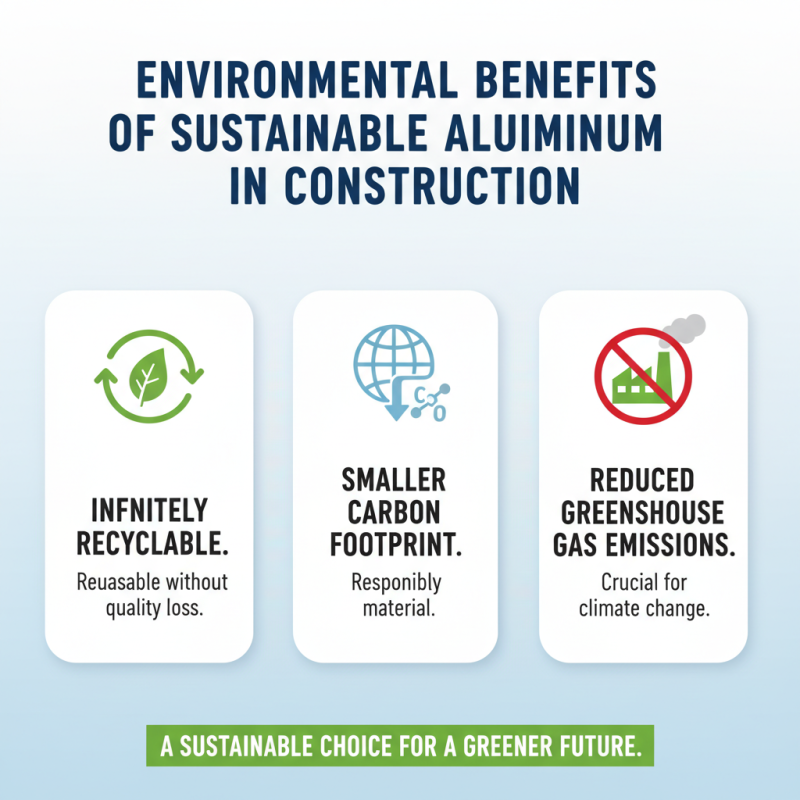
The environmental impact of using sustainable aluminum in construction is significant. Aluminum is infinitely recyclable and can be reused without losing quality. When sourced responsibly, it offers a smaller carbon footprint compared to traditional materials. This is crucial in an era where reducing greenhouse gas emissions is a priority.
Using sustainable aluminum also minimizes resource depletion. By choosing recycled variants, we lessen the need for mining. Mining can cause immense harm to ecosystems, including habitat destruction and water pollution. However, not all aluminum is created equal. Some production processes can still be energy-intensive, which raises questions about true sustainability.
It's important to consider the entire lifecycle of aluminum. While its recyclability is a key advantage, the initial manufacturing steps matter too. Often, sourcing practices can create a gray area regarding environmental impact. Industry standards and certifications help clarify which materials are genuinely eco-friendly. Without these, we risk greenwashing and misleading eco-conscious consumers. Choosing the right material requires careful research and an understanding of the complex trade-offs involved.