How to Choose the Right Thermal Break Aluminum Profile for Your Project?
Choosing the right Thermal Break Aluminum Profile is crucial for any construction project. Industry expert Dr. Emily Thornton states, “The right profile can enhance energy efficiency and reduce costs.” These profiles are designed to insulate against heat transfer, making them vital in modern architecture.
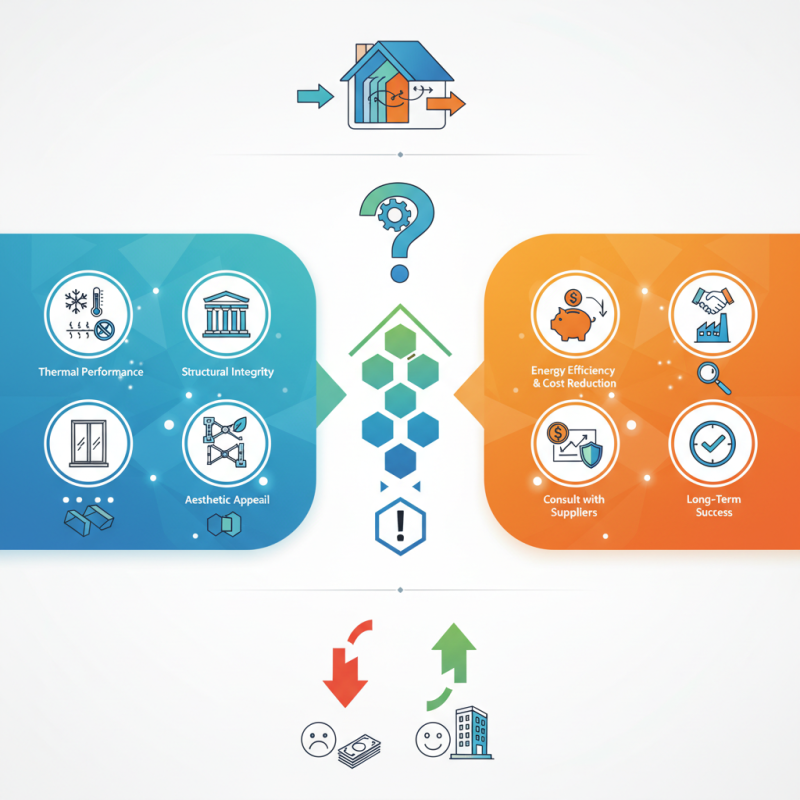
When selecting a Thermal Break Aluminum Profile, consider the specific needs of your project. Factors like thermal performance, structural integrity, and aesthetic appeal play a significant role. Each project has unique requirements, and recognizing these can be challenging. The wrong choice can lead to increased energy expenses and compromised building comfort.
It's essential to consult with suppliers who understand the nuances of these profiles. Their expertise can guide you in navigating the complexities of the market. Every detail counts, from material strength to finish quality. A thoughtful approach can significantly impact your project’s long-term success.
Understanding the Importance of Thermal Breaks in Aluminum Profiles
Thermal breaks in aluminum profiles play a crucial role in energy efficiency. By creating a barrier, thermal breaks reduce heat transfer, which can significantly cut down energy costs. This feature is vital in both commercial and residential buildings. Without proper thermal breaks, buildings can suffer from excessive heat loss in winter and heat gain in summer.
Many projects overlook the selection of appropriate thermal break profiles. An incorrect choice can lead to increased energy consumption and discomfort. It's essential to consider the project's climate and specific performance needs. For instance, regions with extreme temperatures may require profiles with superior insulation properties.
The installation of thermal breaks must also be precise. Poorly executed breaks can lead to condensation and mold issues. Understanding the design and manufacturing quality of these profiles is critical. While specifications might look good on paper, real-world performance often tells a different story. Regular assessments and updates based on emerging technologies ensure optimal results.
How to Choose the Right Thermal Break Aluminum Profile for Your Project?
| Profile Type |
Thermal Break Material |
Insulation Value (U-Value) |
Application Areas |
Recommended Load Capacity |
| Standard Thermal Break |
Polyamide |
2.5 W/m²K |
Residential Windows & Doors |
150 kg/m² |
| High Performance Thermal Break |
Polyurethane |
1.8 W/m²K |
Commercial Building Facades |
200 kg/m² |
| Thermal Bridge-Free Profile |
Special Synthetic Material |
1.4 W/m²K |
Green Buildings & Passive Houses |
250 kg/m² |
| Custom Thermal Break |
Customizable |
Variable |
Specialty Applications |
Dependent on Design |
Key Factors to Consider When Selecting Thermal Break Aluminum Profiles
When selecting thermal break aluminum profiles, several key factors come into play. The first consideration is the insulation property. A profile’s thermal performance directly impacts energy efficiency. Higher insulation values can lead to significant energy savings. Check the materials used in the thermal break. Polyamide and polyurethane are common choices that offer good thermal resistance.
Another essential factor is the design and aesthetics of the profiles. Architectural requirements differ from project to project. The right profile should match the vision of the building while maintaining functionality. Pay attention to the thickness of the aluminum; thicker profiles tend to be more durable but may weigh more. Balance is crucial here.
Lastly, consider the installation aspects. Some profiles are easier to install than others. A profile may look great but could require specialized tools for installation. Make sure to evaluate the long-term maintenance needs as well. Profiles with intricate designs may need more upkeep, while simpler ones can be more user-friendly. Exploring these factors can lead to more informed choices in your project.
Comparative Analysis of Different Thermal Break Materials and Their Performance
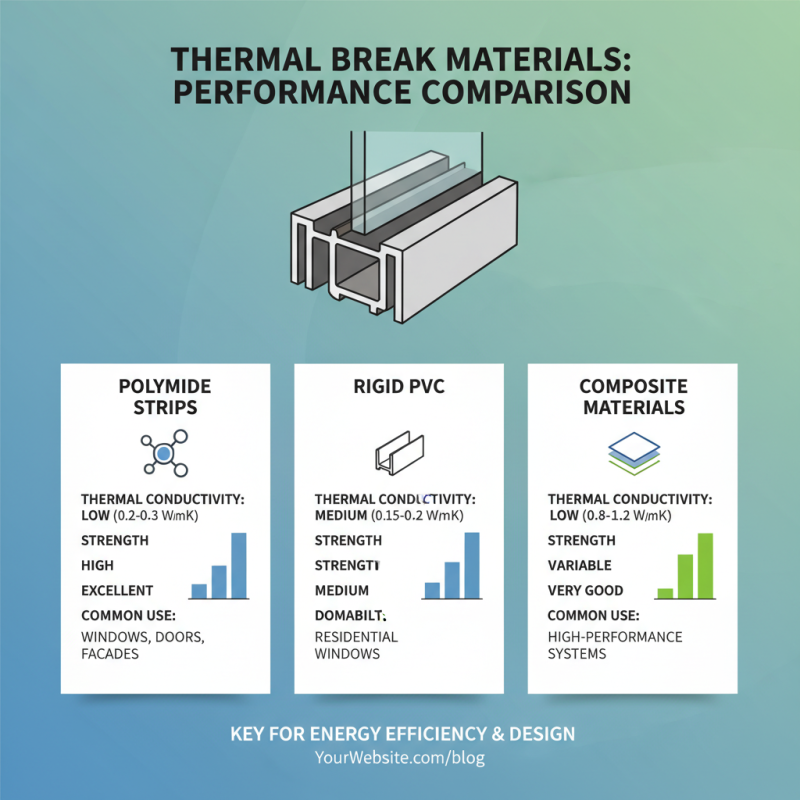
Choosing the right thermal break aluminum profile is crucial for energy efficiency. Different thermal break materials offer varying performance metrics. Understanding these differences can lead to better design and insulation choices.
Polyamide is a common thermal break material. It provides good thermal insulation but can be prone to moisture absorption. This might affect long-term performance. In contrast, polyurethane offers superior thermal resistance. However, its rigidity can lead to challenges in certain applications. It is essential to consider these factors when selecting materials.
Another option is rubber-based thermal breaks. They offer flexibility and decent insulation, making them suitable for dynamic structures. Yet, they may not perform as well at extreme temperatures. Evaluating the intended application is vital for optimal performance. Each material has strengths and weaknesses, requiring careful thought during selection.
How Insulation Values Affect Energy Efficiency in Thermal Break Systems
When selecting thermal break aluminum profiles, understanding insulation values is crucial. Effective insulation translates directly into energy efficiency. A recent industry report indicated that buildings equipped with high-performance thermal break systems can reduce energy consumption by up to 30%. This significant reduction not only lowers utility costs but also decreases carbon emissions, highlighting the importance of choosing the right profile.
Thermal breaks create a barrier against heat transfer. For instance, profiles with a thermal conductivity value of less than 0.3 W/m·K exhibit excellent performance. In contrast, standard aluminum profiles, often lacking thermal breaks, can have values exceeding 1.5 W/m·K. Such high conductivity can lead to increased heating and cooling demands.
Moreover, the impact of insulation values extends to overall building comfort. Poor insulation can result in temperature fluctuations, causing discomfort for occupants. A thoughtful choice in profiles, weighing the insulation values, results in a more stable indoor climate. However, many projects overlook this aspect, focusing solely on aesthetics or cost. This can lead to regrettable decisions that compromise long-term energy efficiency.
Industry Standards and Certifications for Thermal Break Aluminum Profiles
When selecting thermal break aluminum profiles, industry standards and certifications play a crucial role. These guidelines ensure the profiles meet specific performance criteria. Certifications, such as those from regulatory bodies, indicate reliability and safety. Profiles that comply with these standards often exhibit enhanced thermal resistance and durability. This is essential for energy-efficient constructions.
Different regions may have varied standards. It’s important to verify compliance based on your location. Failure to do so can lead to issues down the line, such as insufficient insulation. Also, not all profiles receive the same level of scrutiny during certification. Some may pass with minimal testing, while others undergo rigorous evaluations. Understanding this distinction can be challenging but necessary for making informed choices.
Another factor is the environmental impact of the materials used. Eco-friendly profiles may adhere to specific standards that promote sustainability. However, these may come at a higher cost. Balancing quality, cost, and compliance is essential. The landscape for thermal break systems can be unclear. A careful, well-researched approach will aid in selecting the right profile for your project.
Comparison of Thermal Break Aluminum Profiles by Performance