How to Choose the Right Aluminum Window Door for Your Home?
Choosing the right aluminum window door for your home can significantly impact both aesthetics and energy efficiency. Aluminum window doors are known for their durability and low maintenance costs. A recent report by the Aluminum Association revealed that aluminum frames have a lifespan of up to 50 years, outlasting many other materials. This makes them an investment worth considering.
Furthermore, energy efficiency is a crucial factor. The Department of Energy states that well-designed aluminum window doors can reduce heating and cooling costs by 10-25%. This is particularly important in regions with extreme temperatures. Many homeowners overlook how important these features are when selecting their window doors.
Yet, personal preferences and the architectural style of your home play a significant role too. There are various designs, colors, and finishes available, catering to different tastes. However, it’s essential to reflect on the overall integration of these elements. Sometimes, the available options can be overwhelming, leading to decision fatigue. Remember, the right choice isn’t just about immediate appeal; it’s about long-term benefits and reliability that aluminum window doors provide.
Factors to Consider When Choosing Aluminum Window Doors
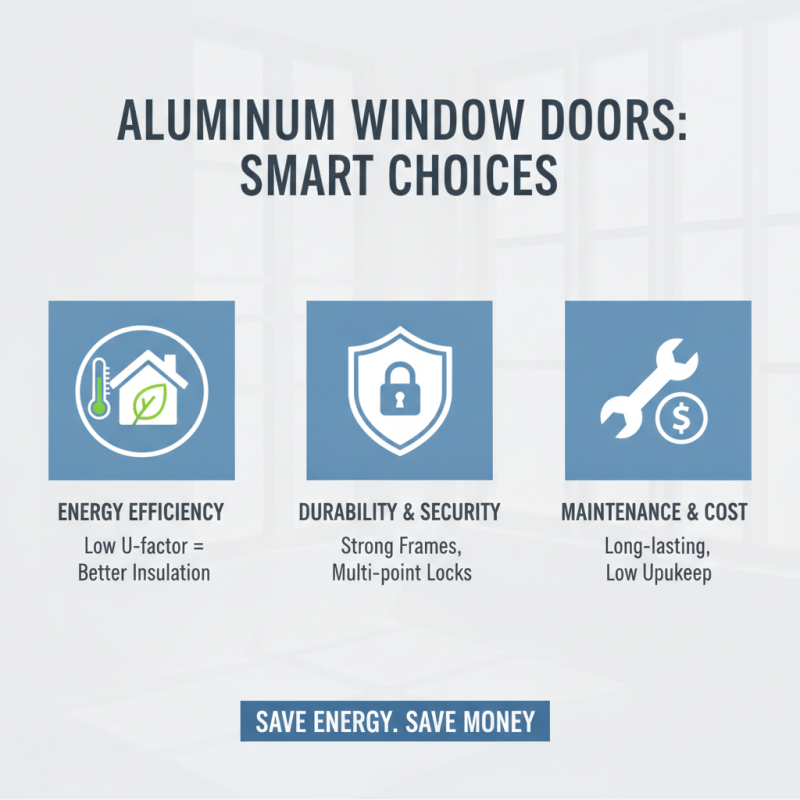
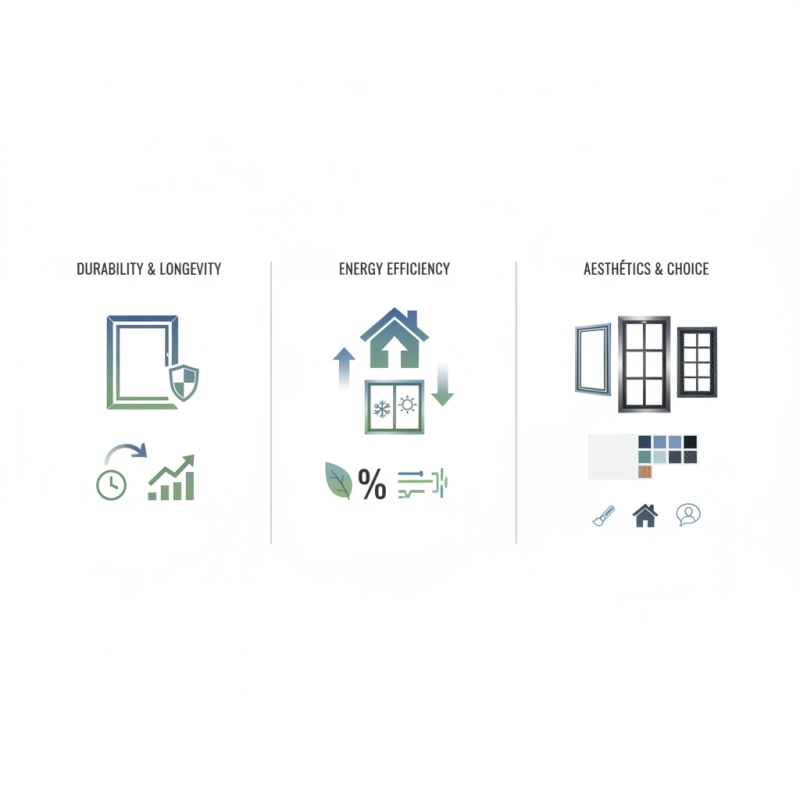
When selecting aluminum window doors, several critical factors come into play. Energy efficiency is paramount. According to the U.S. Department of Energy, about 30% of energy usage in residential buildings is due to windows. Opt for doors with high energy ratings, like those with a low U-factor. This ensures better insulation and reduced heating costs over time.
Aesthetic appeal is another factor to consider. Aluminum doors can be customized for different finishes and styles. Studies show that homes with appealing exteriors often have higher market values. However, it’s essential to balance style with durability. Aluminum doors are resistant to corrosion, but finishes may fade over time. Choosing a powder-coated finish can help mitigate this issue.
Security is also a significant concern. A report from the Bureau of Justice Statistics shows that homes with poor security features are more likely to be targeted. Look for doors with multi-point locking systems. This enhances safety but might mean higher costs. Weigh the importance of security features against your budget. It's a common challenge many homeowners face when investing in upgrades.
Comparing Different Styles of Aluminum Window Doors
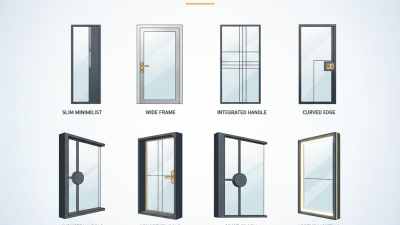
Choosing the right aluminum window door can be daunting. Numerous styles exist, each offering unique benefits. French, sliding, and bi-fold doors are popular choices. French doors open outward, creating elegance. Sliding doors save space, while bi-fold doors connect indoor and outdoor areas effectively.
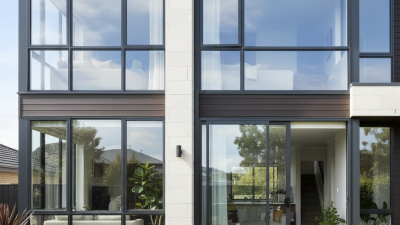
When selecting a style, consider your home’s architecture. Match the door to your home’s design. For instance, modern homes often pair well with minimalist sliding doors. Conversely, classic homes benefit from traditional French doors. It's essential to visualize how the door complements your overall aesthetic.
**Tips:** Always assess natural light. Larger glass panels allow more light, enhancing the ambiance. Think about the door’s function too. A bi-fold door may work wonders for entertaining. However, remember that maintaining consistency with your home's style is crucial. Reflect on your choices to ensure they fulfill your needs without sacrificing design.
Comparison of Different Styles of Aluminum Window Doors
Evaluating Energy Efficiency Ratings in Aluminum Window Doors
When selecting aluminum window doors, energy efficiency is paramount. Look for doors with a high Energy Star rating. This signifies that the product meets strict energy performance guidelines. Efficient doors can significantly reduce heating and cooling costs over time. Choices like insulated frames and double-glazed glass can enhance their performance.
Understanding U-factors and Solar Heat Gain Coefficient (SHGC) is also vital. The U-factor measures insulation effectiveness. A lower U-factor indicates better insulation. Similarly, SHGC indicates how much solar heat the door allows in. Balancing these ratings is crucial for maintaining indoor temperature.
Pay attention to the climate of your area. In colder regions, prioritize lower U-factors. For warmer climates, high SHGC may be beneficial. Personal preferences matter too. Some homeowners prefer more natural light, while others value insulation more. Evaluate your needs to make informed decisions. Investing in quality aluminum window doors means considering both style and efficiency.
Understanding Durability and Maintenance of Aluminum Window Doors
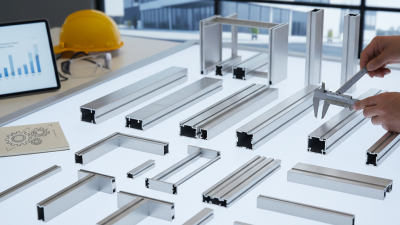
When choosing aluminum window doors, durability and maintenance are critical factors. Aluminum is known for its strength and resistance to weathering. However, not all aluminum frames are equal. Some may corrode over time if not properly finished. Look for anodized or powder-coated options. These finishes enhance protection and longevity.
Regular maintenance is essential. Clean the frames regularly to prevent dirt accumulation. Use a soft cloth and mild detergent. Check the sealing and insulation to avoid leaks. Older models may require more attention. Inspect for scratches or dents that could cause issues down the line.
Tips: Consider the climate in your area. Humid environments can affect aluminum differently than dry areas. Select a window door with a thermal break for added insulation. This can improve energy efficiency and comfort. Finally, think about the style that matches your home. It should enhance the overall aesthetic while ensuring durability.
Budgeting for Your Aluminum Window Door Purchase
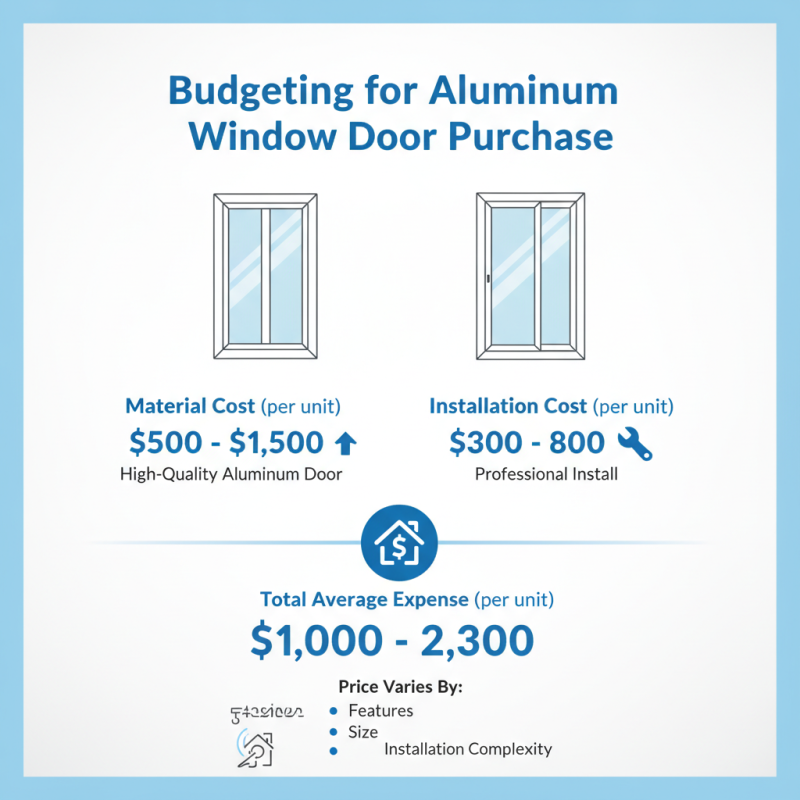
When budgeting for aluminum window doors, understanding costs is crucial. Industry reports indicate that high-quality aluminum doors range from $500 to $1,500 each. Installation costs can add another $300 to $800. Thus, a homeowner should prepare for an average total expense of $1,000 to $2,300 per unit. This price can vary based on features, size, or complexity of the installation.
Consider your priorities when choosing materials and styles. Explore energy-efficient options, even if they are pricier. According to the Department of Energy, energy-efficient windows can reduce energy bills by 10% to 15%. Also, don’t forget about potential maintenance costs. While aluminum is durable, regular cleaning and inspection are vital.
Here are some tips to keep in mind:
- Set a clear budget before shopping.
- Research market trends and pricing reports.
- Consult with professionals for tailored advice.
Learning from others can prevent costly mistakes. Always ask for estimates and compare them thoroughly. Knowing hidden costs, like permits and additional labor, will give you a clearer overall picture.