Top 10 High-Strength Aluminum Profiles for Your Next Project?
High-strength aluminum profiles are crucial for various engineering projects. Their lightweight nature, combined with exceptional durability, makes them ideal for demanding applications. In this guide, we present the top 10 high-strength aluminum profiles available today. Each option has been chosen based on specific attributes, ensuring reliability and performance.
When selecting high-strength aluminum profiles, consider factors such as tensile strength and resistance to corrosion. Some profiles excel in structural integrity, while others offer enhanced versatility. Finding the right balance can be challenging, and what works for one project may not suit another.
Additionally, the manufacturing process and alloy composition significantly impact performance. Awareness of these details can help avoid future project setbacks. It's essential to reflect on your project requirements and desired outcomes before making a decision. This guide aims to provide valuable insights and diverse options for your next project, ensuring you choose the best high-strength aluminum profiles tailored to your needs.
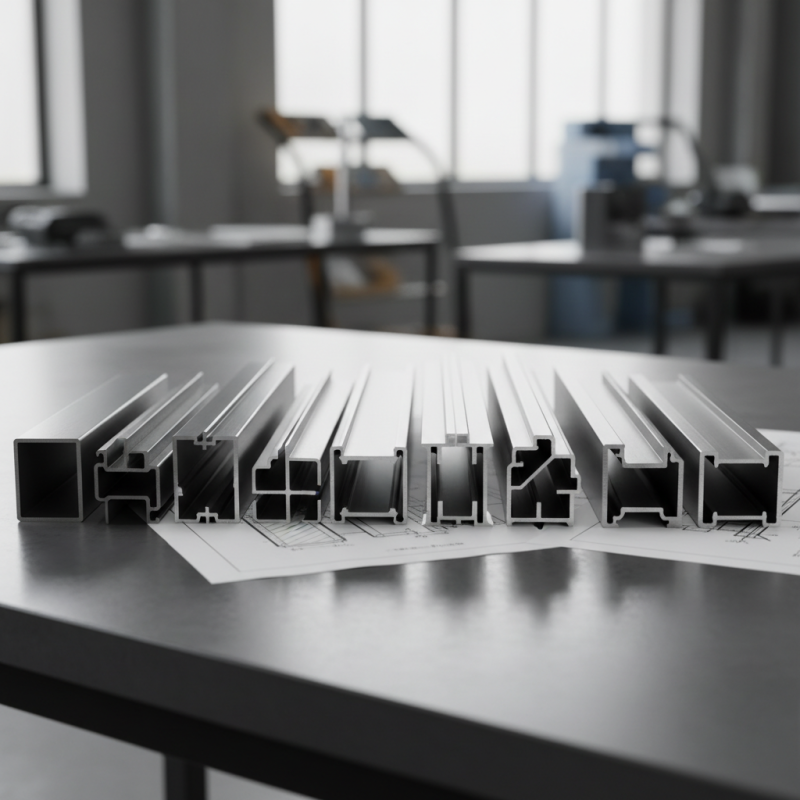
High-Strength Aluminum Profiles: An Overview of Their Benefits
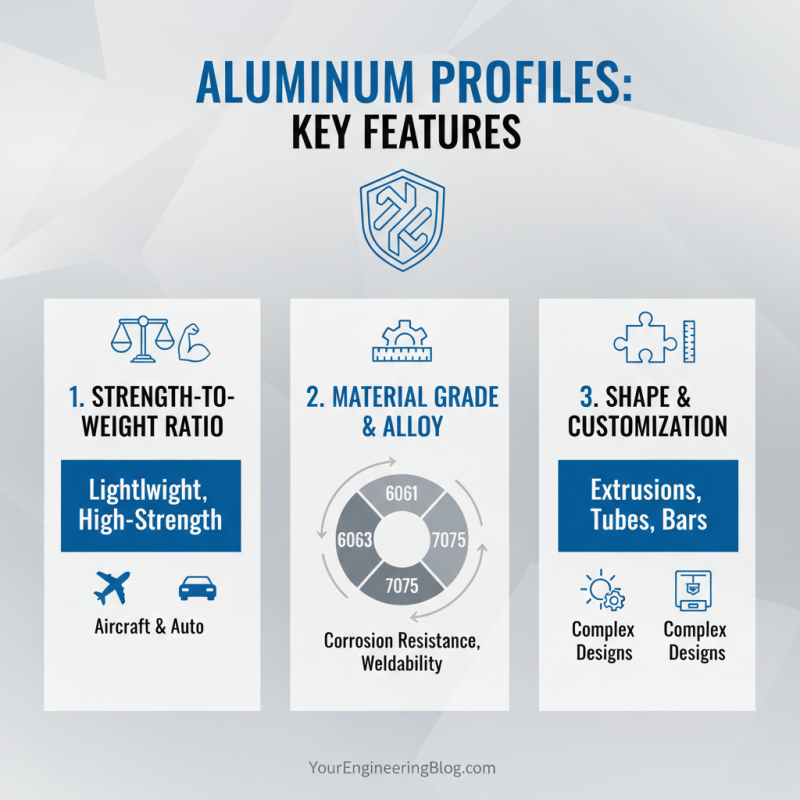
High-strength aluminum profiles are transforming various industries. They offer remarkable benefits that enhance project efficiency. These profiles deliver a high strength-to-weight ratio. For instance, data from the Aluminum Association shows that aluminum weighs about one-third of steel yet can provide similar strength. This property is crucial for sectors such as automotive and aerospace, where weight savings significantly impact performance and fuel efficiency.
Moreover, high-strength aluminum profiles are corrosion-resistant. This characteristic increases the durability of projects, reducing maintenance costs over time. According to a report by the International Aluminium Institute, this resistance can extend the lifespan of structures by up to 50%. Although these materials can be more expensive initially, their long-term savings and performance benefits are undeniable.
However, the manufacturing processes of high-strength aluminum can be complex. This complexity sometimes leads to inconsistencies in product quality. Companies must choose reliable suppliers to mitigate these risks. Ensuring proper design and adherence to specifications is also crucial. Skipping these steps may result in failures that compromise safety and functionality. These considerations highlight the need for careful planning when choosing aluminum profiles for future projects.
Top 10 High-Strength Aluminum Profiles for Your Next Project
| Profile Type |
Tensile Strength (MPa) |
Yield Strength (MPa) |
Weight (kg/m) |
Applications |
| 6061-T6 |
310 |
275 |
2.7 |
Automotive, Aerospace |
| 7075-T6 |
570 |
500 |
2.9 |
Aerospace, Military |
| 2024-T3 |
480 |
320 |
2.8 |
Aerospace, Commercial |
| 5754 |
290 |
240 |
3.0 |
Marine, Shipbuilding |
| 6063-T5 |
240 |
210 |
2.7 |
Construction, Windows |
| 5083 |
315 |
270 |
3.5 |
Marine, Pressure Vessels |
| 6065 |
310 |
275 |
2.8 |
Structural Applications |
| 7005 |
330 |
280 |
2.6 |
Bicycle Frames, Fitness Equipment |
| 7050 |
570 |
490 |
2.9 |
Aerospace, High-Strength Applications |
Top 10 High-Strength Aluminum Profiles for Various Applications
When choosing high-strength aluminum profiles for various applications, it’s crucial to understand their unique properties. Reports from industry experts indicate that aluminum alloys, particularly 6061 and 7075, offer excellent strength-to-weight ratios. These profiles are widely used in aerospace, automotive, and construction sectors due to their durability and minimal weight. The 6061 aluminum alloy boasts a tensile strength of approximately 290 MPa, while 7075 can reach up to 570 MPa.
Consider the design requirements of your project. Strength is vital, but the profile's flexibility may also matter. Using aluminum profiles can reduce weight significantly without compromising structural integrity. This property is especially evident in large-scale constructions and intricate automotive designs. Some reports suggest that aluminum can reduce the overall project weight by up to 30% compared to steel alternatives.
Tips: Always verify the material's specifications to ensure they match your needs. Many profiles may look similar but can have vastly different performance metrics. Pay attention to the heat treatment process, as this can affect strength and corrosion resistance. Analyze your project's load-bearing requirements carefully before making a decision. Even small variations in thickness and alloy composition can impact performance.
Comparative Analysis of Performance and Cost for Each Profile
When selecting high-strength aluminum profiles, performance and cost are critical factors that can significantly impact project success. Recent industry data shows that aluminum alloys, particularly 6061 and 7075, provide excellent strength-to-weight ratios. For instance, 7075 aluminum can reach a tensile strength of 700 MPa, ideal for demanding applications.
In terms of cost, the price can fluctuate based on alloy grade and fabrication processes. For example, 6061 profiles are often more affordable, costing approximately $3.00–$5.00 per kilogram, while 7075 can range from $8.00–$12.00 per kilogram. This price difference is essential for project budgeting. It reveals the balance between performance needs and financial constraints.
Moreover, fabrication processes also affect the final expense. Extrusion methods can vary dramatically in cost. A more complex profile design requires higher precision and can increase costs by 15%-30%. Companies must consider whether the added expense is justified by the performance gains. This complexity introduces uncertainties that need addressing in the planning phase.
Best Practices for Utilizing High-Strength Aluminum in Projects
When utilizing high-strength aluminum in projects, understanding its properties is crucial. High-strength aluminum alloys offer excellent strength-to-weight ratios. They are widely used in aerospace, automotive, and construction sectors. Choosing the right alloy for your project is the first step toward success. Consider the specific mechanical properties required, like tensile strength and workability.
Proper fabrication techniques play an essential role in maintaining structural integrity. Welding and machining can introduce weaknesses if not done correctly. Employing experienced professionals ensures adherence to best practices. Regularly inspect the finished components for defects. Even small flaws can lead to significant failures down the line.
Environment also impacts aluminum's performance. Factors like temperature and humidity should not be overlooked. Certain alloys perform better in specific environments. Testing prototype components in conditions similar to the final application can uncover potential issues. Always document your findings to refine your approach in future projects. Embracing a reflective mindset can turn challenges into learning experiences, ultimately enhancing your project outcomes.
Top 10 High-Strength Aluminum Profiles for Your Next Project