



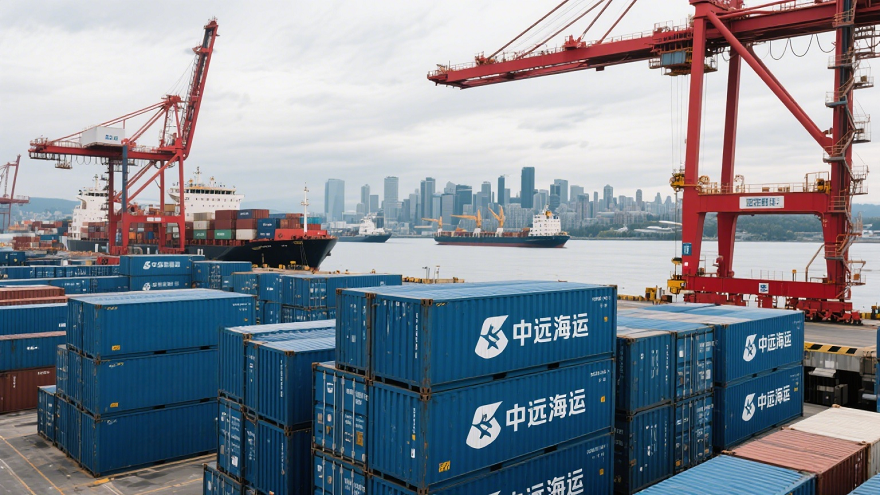
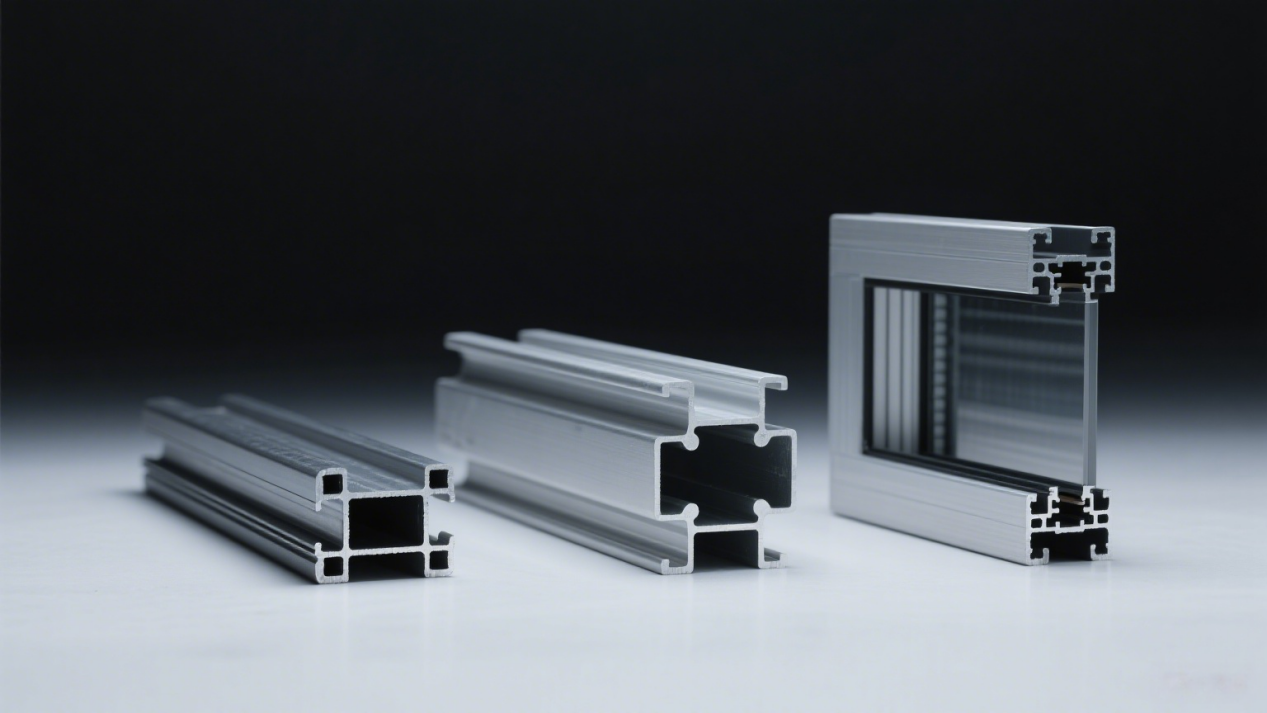
Canada's tariff hikes on Chinese steel products have intensified trade friction and posed challenges to China's aluminum extrusion industry.
Canada's tariff hikes on Chinese steel products have intensified trade friction and posed challenges to China's Aluminum Extrusion industry.
Ottawa, July 25 (Xinhua) -- Canadian Prime Minister Mark Carney announced on July 24 that Canada would impose a 25% tariff on steel and related aluminum products from China, effective July 31, to address dumping risks caused by U.S. tariffs. At the same time, the Canadian Ministry of Finance introduced a tariff quota system, imposing strict import restrictions on non-free trade agreement (FTA) countries, including China. This measure has attracted particular attention from China's aluminum extrusion industry.
I. Details of Canada's Tariff Measures and the Rationale for Protectionism
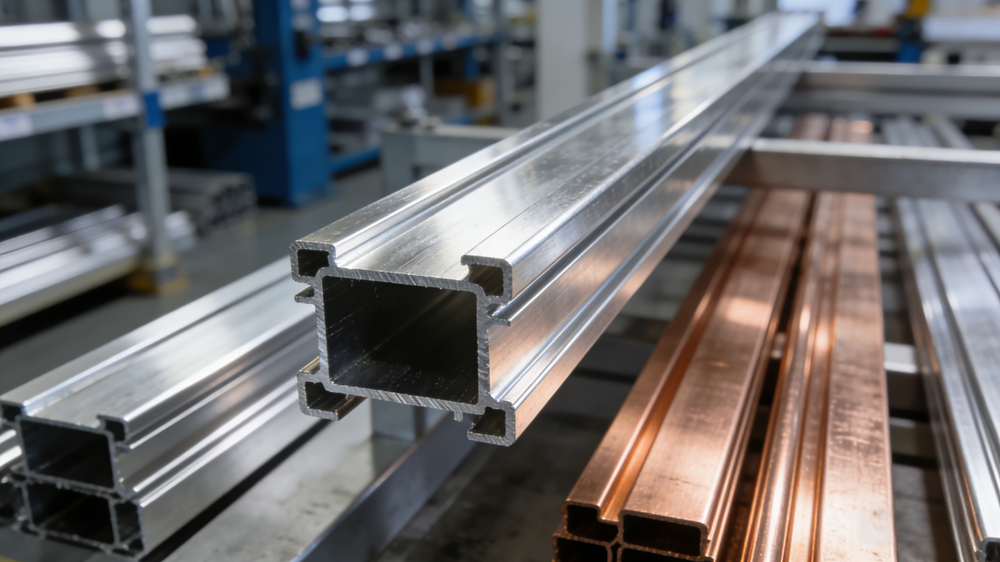
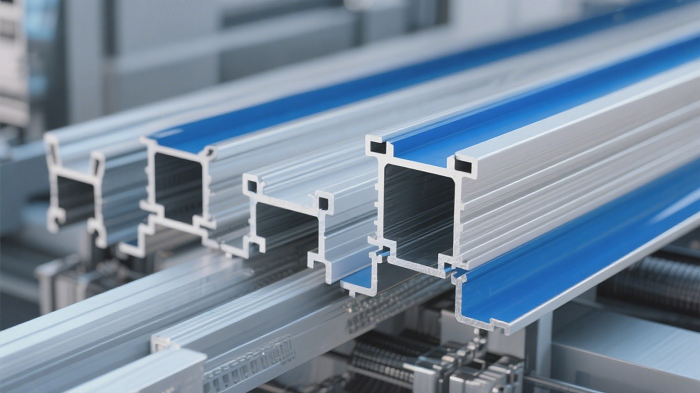
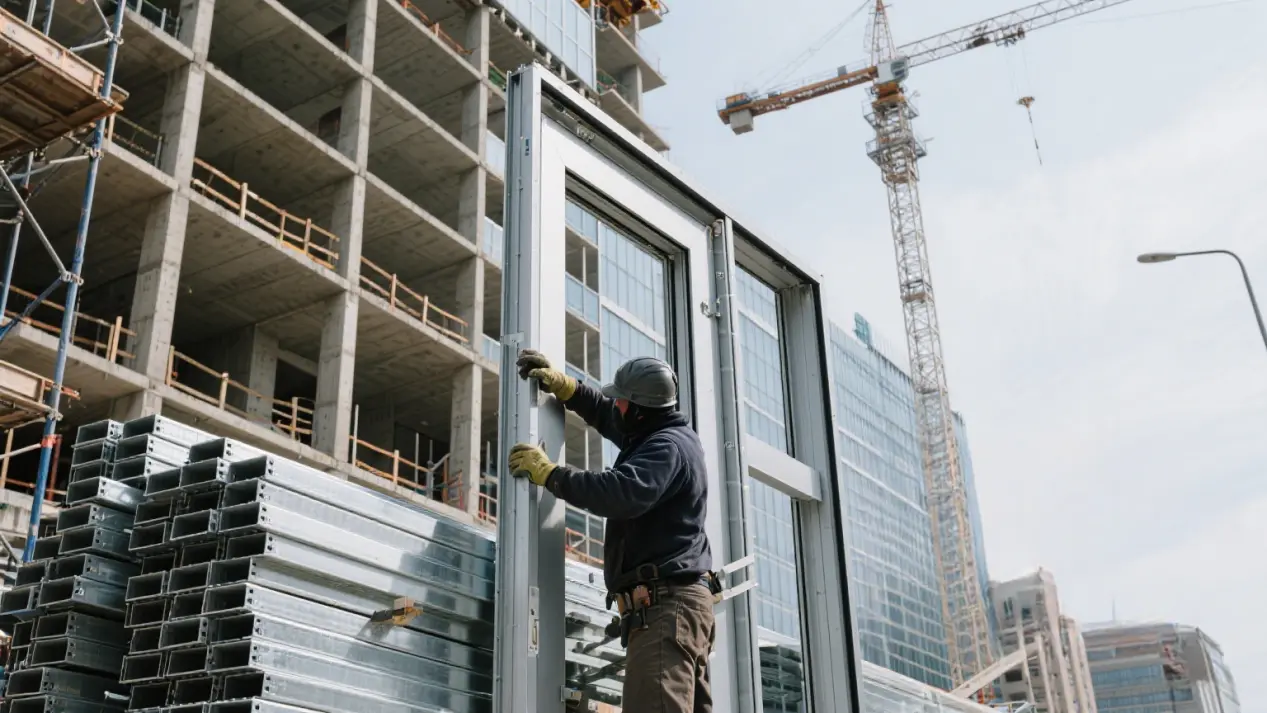
According to the Canadian government's announcement, these tariffs will apply to basic materials such as stainless steel Extrusions and aluminum profiles, as well as products such as door frame extrusions and powder-coated aluminum extrusions. Under the tariff quota policy specifically targeting China, import quotas for Chinese-made aluminum extrusions are set at 50% of 2024 imports starting August 1, 2025, with any excess imports subject to a 50% tariff.
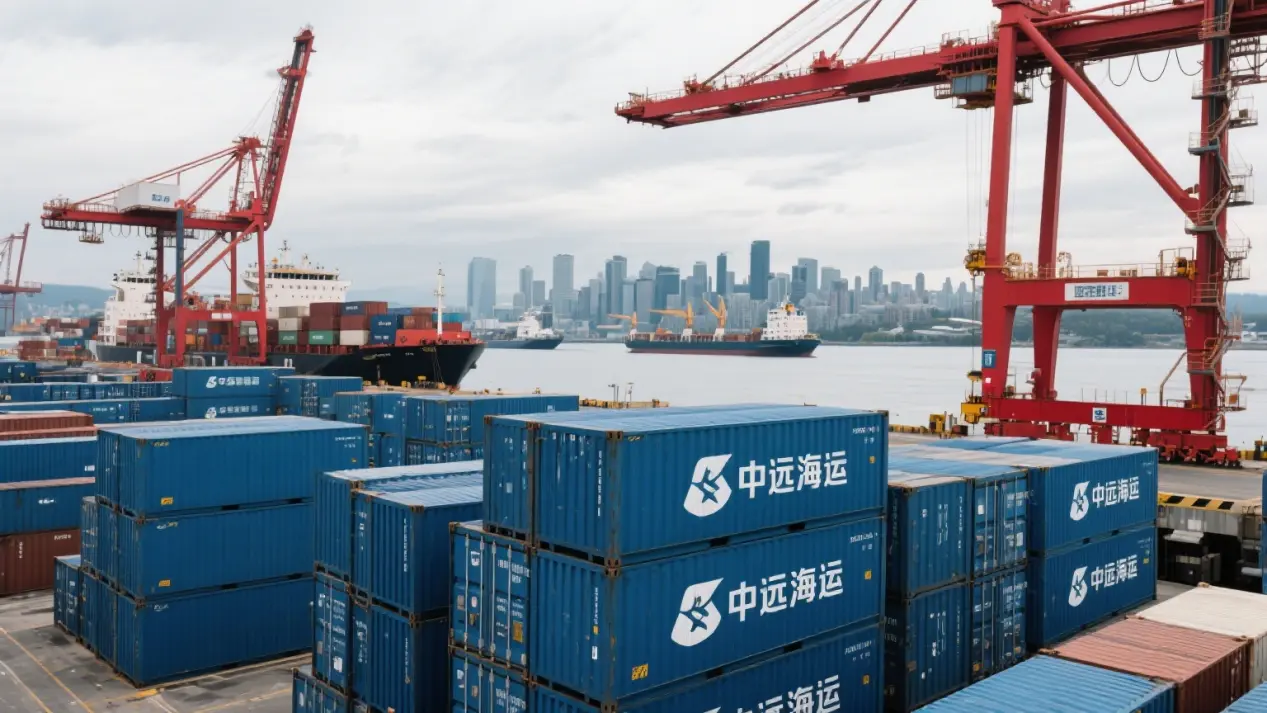
II. China's Ministry of Commerce Launches Anti-Discrimination Investigation and Countermeasures
In response to Canada's trade restrictions, China's Ministry of Commerce launched the world's first "anti-discrimination investigation" in March 2025 and imposed 100% tariffs on Canadian canola oil, seafood, and other products. A Commerce Department spokesperson stated that Canada's tariff measures are clearly discriminatory. Canada applies double standards by setting 2024-level quotas only for countries with which it has free trade agreements, such as the United States and Mexico, while halving the quotas and imposing excessively high tariffs on China, violating the WTO's principle of non-discrimination.
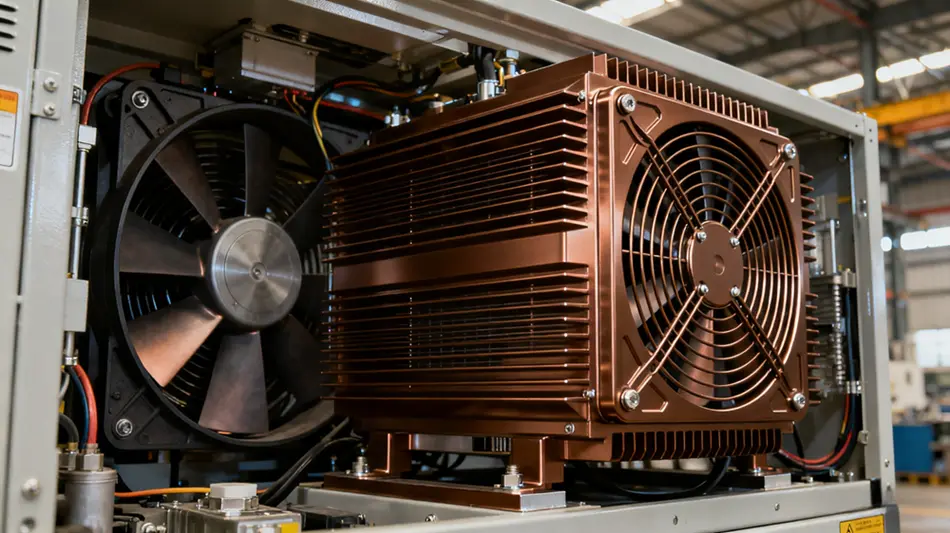
According to data from the China Aluminum Association, the Canadian tariffs will directly affect around 200 domestic aluminum extrusion companies, with custom aluminum extrusion heat sink makers in Guangdong and Shandong provinces expected to be hit the hardest.
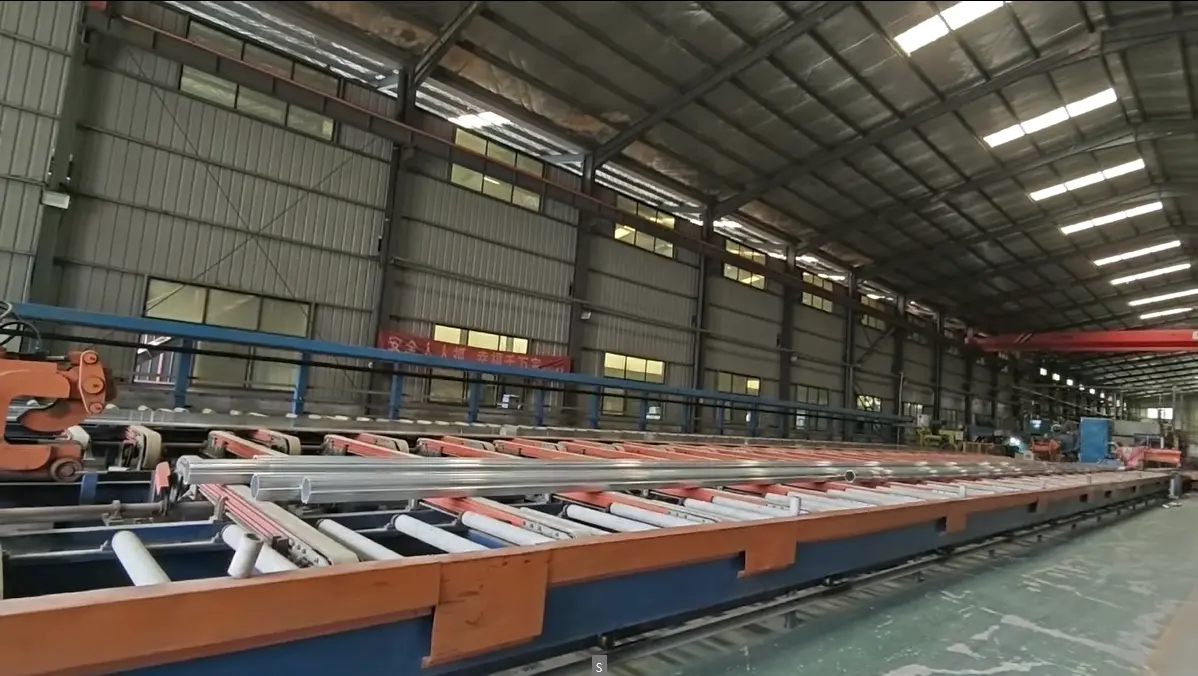
III. Industry Impact and Market Response Strategies
(I) Dual Impact on Canadian Industries
While Canadian stainless steel extrusion manufacturers such as Alcan may benefit from tariff protection in the short term, the downstream construction industry faces increasing cost pressures. The Toronto Builders Association warns that rising prices for extruded aluminum door frames could increase the cost of new homes by 5-8%, further exacerbating already high real estate prices.
(II) Market Adjustments by Chinese Companies
Chinese aluminum extrusion manufacturers are accelerating their expansion into markets such as Southeast Asia and the Middle East. A company in Jiangsu Province recently signed a cooperation agreement with Vietnam to produce 50,000 tons of powder-coated aluminum extrusions annually, leveraging local tariff preferences to circumvent trade barriers. At the same time, the company is strengthening the research and development of general-purpose products such as semi-circular extrusions and extruded aluminum profiles to meet the import standards of more countries.
(III) Technological Modernization and Greening
To mitigate trade frictions, Chinese companies are accelerating their transformation into high-value-added sectors. For example, a Shenzhen-based manufacturer of custom extruded aluminum radiators has launched a new radiator with a graphene coating, which improves heat dissipation efficiency by 30% and has successfully entered the European new energy vehicle supply chain. These innovative products are expected to become key drivers of technological innovation, as they qualify for Canada's preferential "clean technology" import policies.
IV. Future Developments in Trade Friction
Analysts warn that Canada's tariff measures could trigger a chain reaction. The United States has stated that it will closely monitor Chinese aluminum products entering the North American market through third countries and has not ruled out further expansion of tariffs. In response, China's Ministry of Commerce reiterated its commitment to "taking all necessary measures to safeguard the legitimate rights and interests of enterprises" and called for resolving the dispute through dialogue.