



The EU expects the United States to reduce tariffs on processed steel and aluminum products within a few weeks, which could ease trade tensions
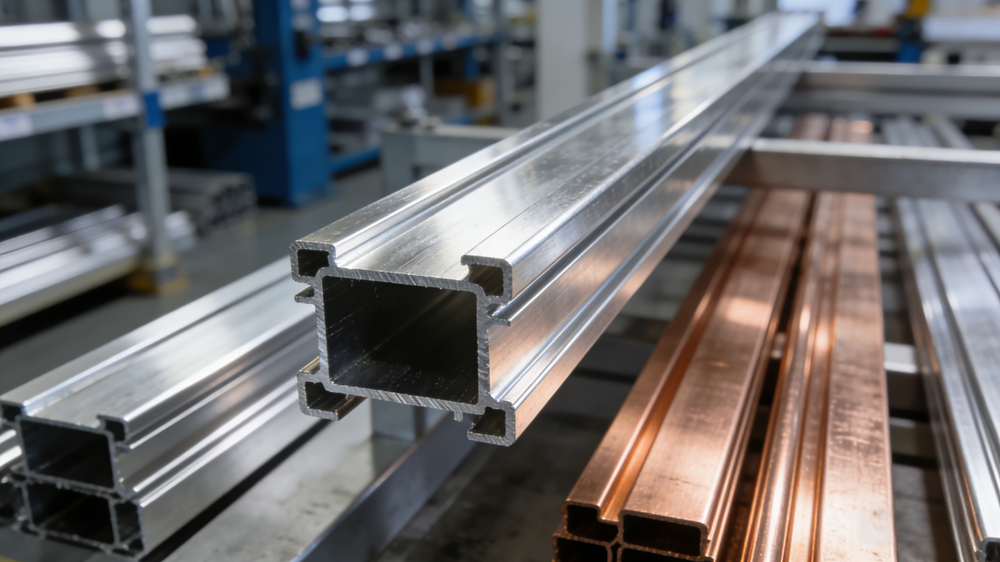
February 25, 2026– Bloomberg News reported on Tuesday, citing sources, that European authorities expect the United States to reduce import tariffs on fabricated steel and aluminum products in the coming weeks. The tariff adjustment would only apply to downstream products and would not affect tariffs on base metals. This could ease a major sticking point in transatlantic trade relations and indirectly impact the global aluminum fabrication sector, particularly China's large Aluminum Extrusion market.
The possibility of this tariff adjustment comes amid growing uncertainty surrounding trade negotiations between the United States and the EU. Previous U.S. Supreme Court rulings have limited the government's ability to use emergency powers to impose broad "reciprocal" tariffs, jeopardizing the possibility of a comprehensive trade agreement. The U.S. government appears to have already imposed temporary 15% tariffs to ensure continuity in its tariff policy, suggesting that the tariff reductions on fabricated steel and aluminum products are likely to be implemented.
In 2018, U.S. President Donald Trump imposed high tariffs on steel and aluminum products from many countries, citing national security concerns, reaching a maximum rate of 50%. This measure provoked strong opposition from the European Union (EU), which then imposed retaliatory tariffs. This led to a long-running trade dispute after multiple rounds of negotiations failed to achieve progress. The EU has viewed industry expectations for a reduction in U.S. tariffs on fabricated steel and aluminum products positively, believing it indicates the two countries are seeking common ground on certain issues and could potentially break the long-standing trade impasse.
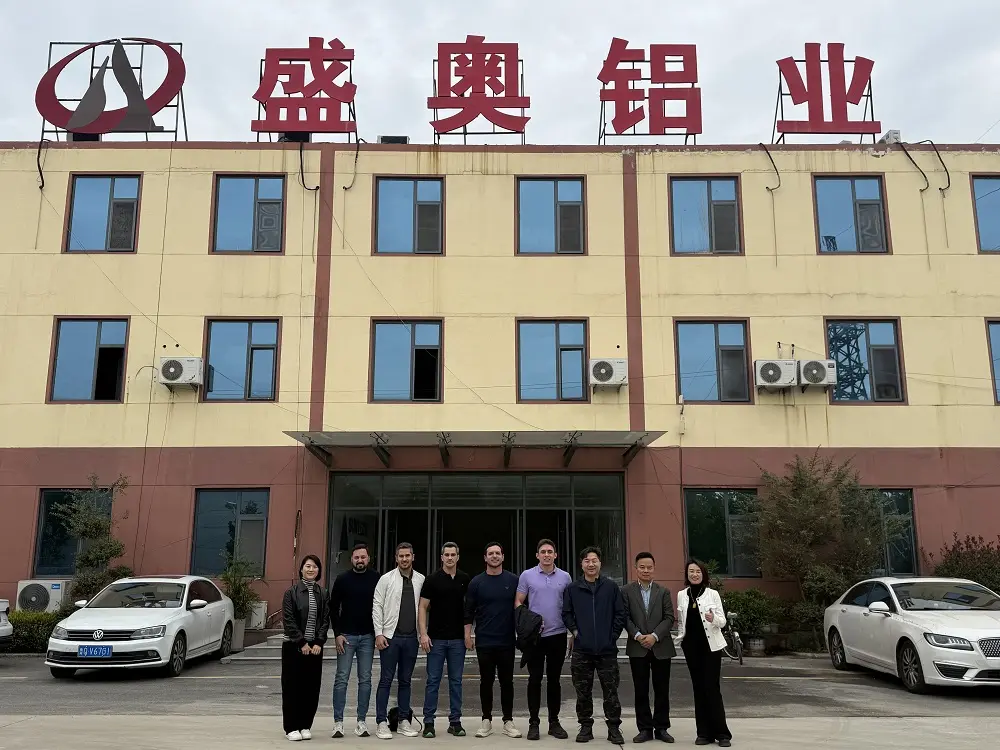
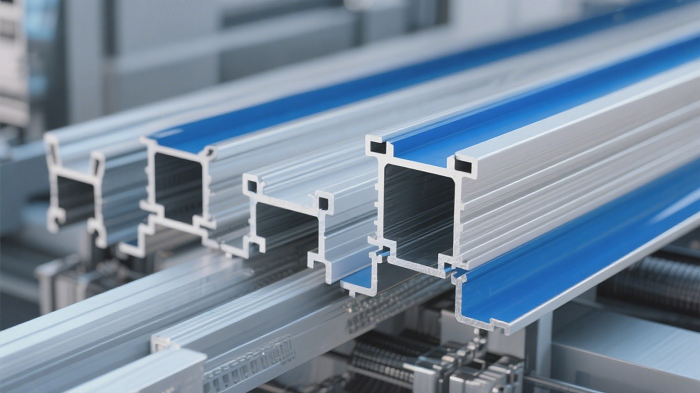
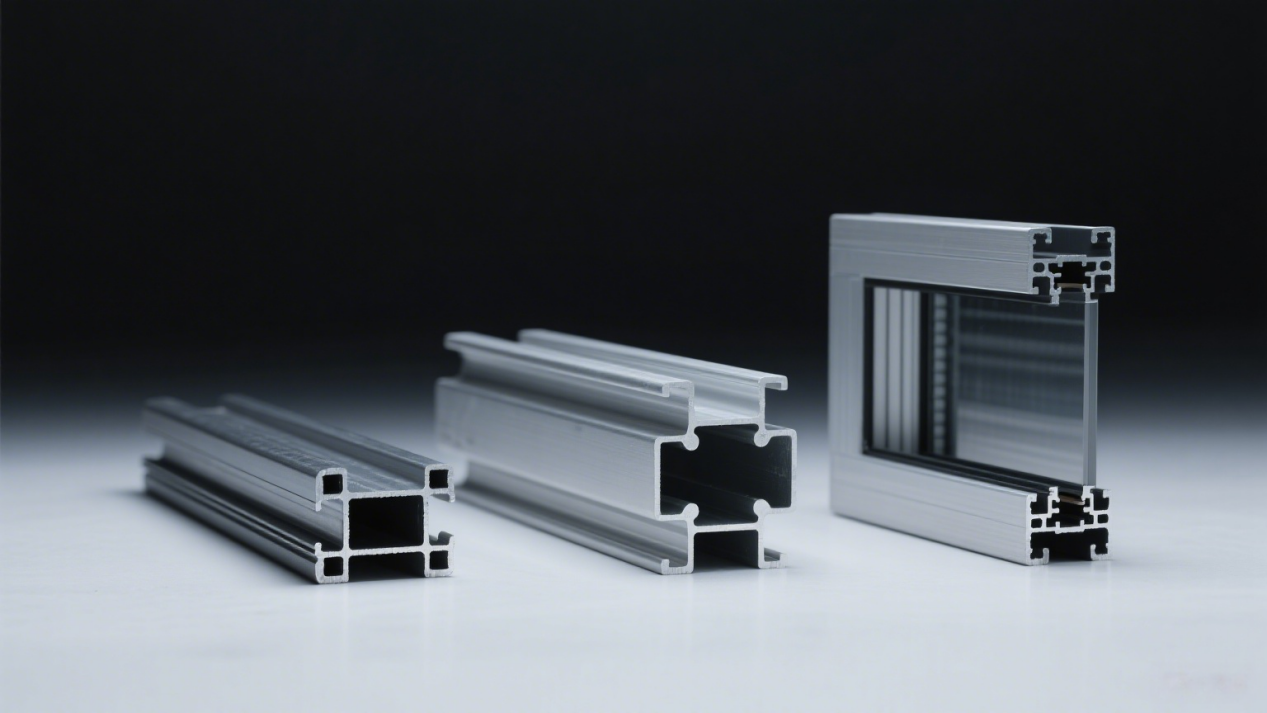
Analysts point out that reducing tariffs on fabricated steel and aluminum products would benefit both the U.S. and the EU. For the EU, it would reduce export pressure on the steel and aluminum fabrication industry and lower production costs for related companies. For the U.S., it would also benefit some domestic manufacturers. This is because previous high tariffs had already sharply increased production costs for U.S. aluminum companies and forced domestic customers to pay higher prices for aluminum products than in other regions of the world. It is noteworthy that this adjustment will also have a ripple effect on the global aluminum processing industry, indirectly impacting China's aluminum extrusion market and related businesses. For manufacturers of interlocking aluminum extrusion profiles specializing in the industrial production of aluminum assemblies, a reduction in U.S. tariffs on processed products could lower the cost of processed aluminum products exported to the U.S., improve the export environment, and create favorable conditions for the expansion of Chinese-made aluminum extrusion products in the North American market.
However, industry insiders generally believe that this tariff adjustment does not address the underlying problem. Namely, tariff barriers on base metals remain in place, and the U.S.-EU trade dispute has not been fundamentally resolved. Furthermore, changes in the U.S. political and legal systems are increasing uncertainty surrounding trade negotiations. With the Supreme Court's ruling limiting the president's sole authority over trade policy, future major trade agreements will require stronger congressional support, further complicating the negotiation process. Neither the United States Trade Representative (USTR) nor the European Commission has commented on the report, and global markets are closely watching the situation. According to industry experts, if the information is confirmed, it would be a major step towards easing trade friction between the US and the EU. However, there are still many differences of opinion between the two countries on issues such as aviation subsidies and digital taxation, and the path to a comprehensive solution remains unclear.