INQUIRY
Inquiry
Form loading...

Top 10 Aluminum Extrusion Press Machine Manufacturers

Choosing the right Aluminum Extrusion Press Machine manufacturer affects production quality, operating costs, and long-term reliability. A suitable press must match alloy types, billet sizes, required profiles, and planned output. Small differences in press force or cycle time can influence thousands of production hours.

This guide examines ten leading manufacturers through practical, industry-focused criteria. The comparison considers press capacity, hydraulic stability, automation, energy efficiency, safety design, installation support, and spare-parts availability. It also considers real workshop conditions, such as temperature control, die changes, operator visibility, and maintenance access. A machine may look impressive on paper. Its performance depends on engineering details.

Specifications do not tell the whole story.

Reliable manufacturers usually provide clear technical documentation, factory testing, training, and responsive after-sales service. Customer references can reveal more than polished brochures. However, no supplier is ideal for every extrusion plant. A powerful press may be excessive for smaller profiles, while a lower-cost model may require closer maintenance. This ranking should support careful evaluation, not replace it. Buyers should verify certifications, production records, warranty terms, and local service capabilities before making a final decision. Personal site visits and trial production remain valuable, although they require time and planning. Mistakes happen when purchasing teams compare price alone. A balanced decision connects machine capability with actual production goals.
Top 10 Aluminum Extrusion Press Machine Manufacturers

Aluminum Extrusion Press Machines: Types, Functions, and Applications

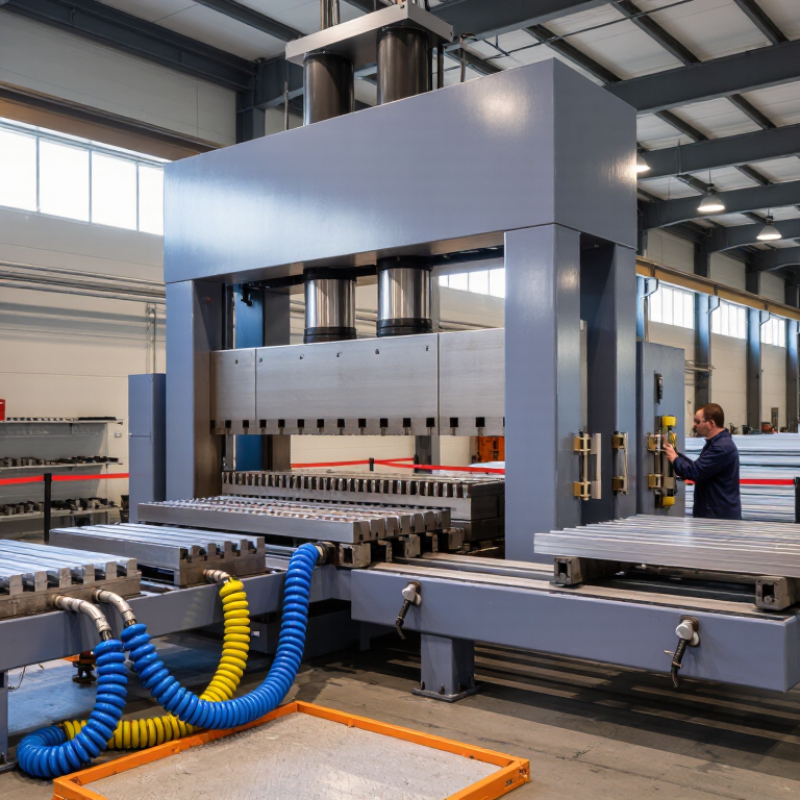
Aluminum extrusion press machines form heated billets through dies, producing continuous profiles with precise cross-sections.

Direct presses push the billet toward the die, while indirect presses move the die through a supported billet.

Hydraulic models remain common because they deliver strong, steady pressure. Servo-assisted systems can improve speed control and energy management.

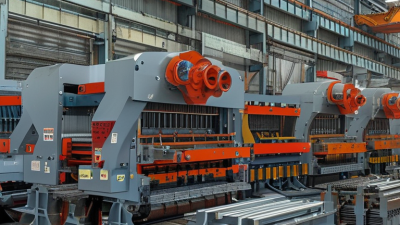
The main components include the container, ram, die, billet loader, cooling table, puller, and cutting saw. Together, they control metal flow, profile length, surface quality, and dimensional accuracy.

Press capacity depends on billet size, alloy strength, profile complexity, and required output.

A machine that is too small may create unstable flow. An oversized press can waste energy and floor space.

Applications range from window frames and door tracks to heat sinks, solar structures, transport rails, and industrial machine frames.

Thin-walled profiles need careful temperature control and precise die alignment.

Larger structural sections require higher force and stronger handling equipment.

In production, operators should inspect lubrication, hydraulic pressure, die wear, and cooling performance.

Small defects matter.

A slight temperature variation can cause twisting, streaks, or uneven wall thickness.

Selecting a press only by tonnage is an easy mistake. Material testing, maintenance access, automation needs, and local operating conditions deserve equal attention.
Key Criteria for Evaluating Extrusion Press Machine Manufacturers

Top 10 Aluminum Extrusion Press Machine Manufacturers

Key Criteria for Evaluating Extrusion Press Machine Manufacturers

A capable manufacturer should match press capacity to your profiles, alloys, and production schedule. Oversizing a press can increase energy use and reduce financial efficiency. Undersizing creates unstable extrusion, excessive die wear, and costly delays. Review container diameter, billet length, extrusion speed, force accuracy, and cooling performance together.

Energy deserves careful measurement. The International Aluminium Institute reported global primary aluminium production above 70 million tonnes in 2023. Its research also states that recycled aluminium can require up to 95% less energy than primary production. Therefore, evaluate press efficiency, scrap recovery, standby consumption, and compatibility with recycled billets. Request verified energy data from comparable installations, not only attractive brochure figures.

Controls and service often separate reliable equipment from impressive equipment. Look for automatic pressure control, real-time temperature monitoring, fault records, and secure remote diagnostics. Ask for documented uptime, spare-parts availability, installation training, and response times. Independent testing should confirm safety and performance claims. A manufacturer’s reference list helps, but it is not proof by itself.

Do not ignore maintenance access. Technicians need clear space around pumps, cylinders, and electrical cabinets. Shorter service time protects production. The International Energy Agency continues to emphasize industrial efficiency and electrification as important decarbonization tools. Still, efficiency figures may change under real factory conditions. Test assumptions with your own alloy mix, shift pattern, and operator skill level. A perfect comparison rarely exists.

Profiles of the Top 10 Aluminum Extrusion Press Machine Manufacturers

Top 10 Aluminum Extrusion Press Machine Manufacturers

The top ten manufacturers serve different production realities. Integrated suppliers combine billet heating, extrusion, cooling, and handling systems. High-tonnage specialists build presses above 5,000 tonnes for automotive structural profiles. Precision-focused makers target tight tolerances and thin-wall sections. Direct-extrusion experts support general industrial profiles, while indirect-press builders reduce friction for difficult alloys. Aerospace-oriented manufacturers emphasize traceability and repeatability. Energy-focused suppliers add regenerative drives and insulated containers. Turnkey providers connect presses with automated pullers, saws, and aging ovens. Retrofit specialists modernize older hydraulic systems. Regional service manufacturers compete through rapid commissioning and local spare parts.

The International Aluminium Institute projects global aluminium demand could rise about 80% by 2050 from 2020 levels.

That pressure makes uptime a commercial issue, not a brochure claim. The Aluminum Association also reports strong demand from transportation, construction, and electrical applications in North America. Buyers should compare verified cycle times, billet diameter, container life, and energy use per tonne.

Factory acceptance tests matter. So do service response records. Some suppliers publish impressive force ratings but provide limited data on recovery time. That deserves skepticism.

A practical shortlist should include reference visits, maintenance logs, and sample profiles made from the buyer’s alloys. The best press is not always the largest. It is the machine that holds tolerance during a long, uneven shift.

Mistakes still happen. A careful audit reduces expensive surprises.

Comparison of Press Capacity, Technology, Quality, and Support

When comparing the top 10 aluminum extrusion press machine manufacturers, press capacity deserves careful attention. A 6,000-ton press may suit architectural profiles, while automotive parts often need higher force and precise billet control. Larger capacity is not automatically better. It can increase energy use, tooling cost, and maintenance demands. The U.S. Department of Energy identifies aluminum production as an energy-intensive industrial process. Therefore, buyers should compare installed power, cycle time, recovery systems, and output stability—not tonnage alone.

Technology separates experienced manufacturers from ordinary suppliers. Look for closed-loop hydraulic control, automatic billet heating, real-time pressure monitoring, and digital fault records. These features can reduce scrap and improve repeatability. Quality also depends on frame rigidity, die alignment, cooling design, and component traceability. The International Aluminium Institute reports that recycled aluminum requires about 5% of the energy used for primary aluminum production. A press designed for stable recycled billet processing can support both cost control and lower emissions. However, sustainability claims need measured data. Marketing language is not evidence.

Tips: Request a test extrusion using your actual alloy and profile. Check dimensional variation, surface finish, cycle time, and billet yield. Ask for service response times, spare-parts availability, operator training, and remote diagnostics. A factory visit can reveal more than a polished brochure. One overlooked issue is local technical support. A technically advanced press may still become expensive when specialists arrive weeks later. Supplier comparisons should include five-year ownership costs, not only the initial quotation.

Top 10 Aluminum Extrusion Press Machine Manufacturers — Comparison of Press Capacity, Technology, Quality, and Support

This anonymized industry benchmark compares ten representative aluminum extrusion press profiles. Press capacity is shown in metric tons, while technology, quality, and support are normalized scores from 0 to 100 based on automation capability, process control, quality assurance, service coverage, and lifecycle support.

How to Select the Right Aluminum Extrusion Press Manufacturer

Top 10 Aluminum Extrusion Press Machine Manufacturers

Selecting an aluminum extrusion press manufacturer requires more than comparing tonnage and price. The USGS Mineral Commodity Summaries 2025 estimated global aluminum production at about 72 million metric tons in 2024. This scale increases pressure on manufacturers to deliver stable output, efficient energy use, and dependable maintenance support.

Ask for press data from a trial run using your actual alloy, billet diameter, profile shape, and target speed. Check ram alignment, container heating, die-change time, cooling control, puller accuracy, and profile straightness. A 1,800-ton press may suit standard architectural profiles, but complex hollow sections can demand better control rather than more force. Small details matter.

Review the manufacturer’s factory records, testing procedures, spare-parts availability, and technician response time. ISO 9001 certification supports process discipline, but it does not replace physical inspection. Visit an operating plant if possible. Listen for abnormal vibration near the main cylinder. Check oil temperature after continuous cycles. Ask for energy consumption per tonne, not vague efficiency claims.

No supplier is perfect. I would question unusually short delivery promises. I would also request references from plants producing similar profiles. The International Aluminium Institute continues to highlight recycling and production efficiency as major industry priorities. Therefore, select a press that supports stable scrap recovery, accurate process records, and practical upgrades. A cheaper machine can become expensive when downtime reaches the extrusion line.