7 Tips for Choosing an Aluminum Extrusion Press Machine
Choosing an Aluminum Extrusion Press Machine is not simply a matter of selecting the highest rated model. It is a production decision involving alloy grades, profile dimensions, billet temperature, cycle time, and operator skill. A press that performs well for architectural profiles may struggle with thick industrial sections. The details matter.
Pradip K. Saha, a recognized authority in aluminum extrusion technology, described the press clearly: “The extrusion press is the heart of an extrusion plant.” That perspective remains practical today. Buyers should examine pressing force, container size, maximum extrusion length, control systems, energy use, and maintenance access. A polished brochure cannot replace verified test results. Ask for them.
These seven tips focus on decisions that affect daily production, not just installation day. Check whether the machine suits your actual alloys and tooling range. Inspect the hydraulic system, safety interlocks, cooling arrangement, and spare-parts support. Watch a factory acceptance test if possible. Listen for uneven pump noise. Notice oil leaks around fittings. Small warning signs can become expensive downtime.
Experience also teaches humility. Production estimates are often optimistic. Real output depends on die changes, billet loading, cooling delays, and inexperienced operators. The cheapest press may create hidden costs. The largest press may waste energy and floor space. Compare complete ownership costs over several years, including training and service response. Reliable selection requires technical evidence, honest questions, and a willingness to reconsider initial assumptions. Metrics matter. So does judgment.
Define Production Requirements and Aluminum Alloy Specifications
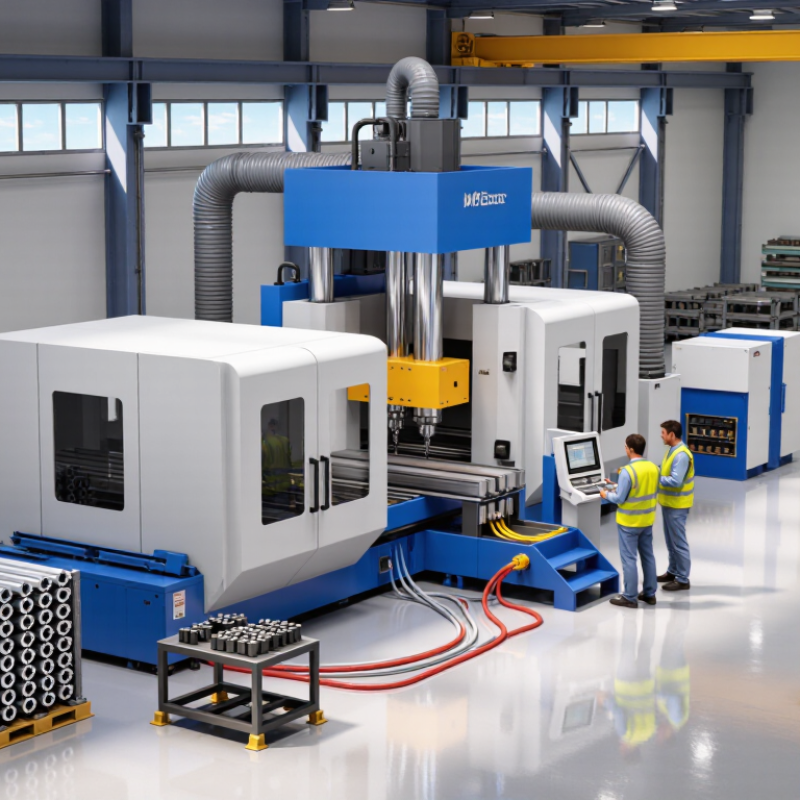
When selecting an aluminum extrusion press machine, production requirements should guide the decision. Start with the profile, not the press brochure. Record the alloy, billet diameter, profile size, wall thickness, monthly volume, and required tolerance. A small architectural section may need different force from a thick industrial rail.
Be specific about output. Estimate kilograms per hour, press cycles, die changes, and expected scrap. Include peak demand, not only average demand. I have seen factories choose capacity from average orders, then struggle during seasonal surges. That assumption deserves review. If the line must run continuously, examine container length, cooling space, puller speed, and cutting accuracy. These details affect real productivity more than rated force alone.
Alloy selection also changes the machine requirement. Softer alloys can extrude quickly, while harder grades may require greater pressure and slower speed. Confirm the alloy series, temper, billet temperature range, and heat-treatment route with a qualified metallurgist or process engineer. Die design must match the alloy and profile complexity. Ask for trial data using comparable sections, because laboratory figures can differ from factory results. Leave room for future alloys or larger billets, but avoid buying unused capacity. It increases cost and may reduce control at low loads. Check measurement records, maintenance access, guarding, and applicable local machinery standards before approving the specification.
Evaluate Press Capacity, Extrusion Size, and Operating Speed
Choosing an aluminum extrusion press machine starts with the load, not the catalog photograph. In production, I compare required force with billet diameter, alloy, extrusion ratio, and profile complexity. A 1,200-ton press may suit medium sections, yet capacity alone proves little.
Check the math.
The press should maintain stable pressure near the hardest part of the stroke. Leave a practical reserve, often 10–20 percent, for alloy changes and startup variation. Oversizing can increase purchase cost, energy use, and idle time. Undersizing creates pressure spikes, surface defects, and shortened tooling life.
Extrusion size must match the largest profile, container, stem, and die package you expect to run. Measure the real envelope, including runout space and puller alignment. A narrow profile may still need a larger container when its billet diameter or wall thickness demands it. Ask for documented billet dimensions, maximum section size, and allowable die length. These figures are more useful than a single headline specification.
I would also inspect maintenance access. Small details matter here.
Operating speed should be evaluated as a complete cycle, not only maximum ram speed. Compare forward speed, return speed, billet loading time, discard handling, and die changes. Faster is not automatically better. Excessive speed can raise billet temperature, worsen surface quality, or destabilize dimensional control. Review actual output in kilograms per hour under comparable alloys and profiles. A trial run is valuable, although one test cannot represent every shift. Record pressure, temperature, cycle time, and scrap rate before approving the machine. I still find this step easy to underestimate.
7 Tips for Choosing an Aluminum Extrusion Press Machine
Evaluate press capacity, extrusion size, and operating speed together. The chart below shows representative engineering planning ranges for common aluminum extrusion applications. Actual requirements depend on alloy, profile complexity, billet length, die design, and product tolerances.
Selection guidance: Choose sufficient press force for the required profile area and alloy, confirm that the billet diameter matches the container and die system, and select an operating speed that balances productivity with surface quality, die life, and dimensional stability.
Check Safety Features, Maintenance Needs, and Technical Support
Tip 1: Check safety features before comparing pressing force. A reliable aluminum extrusion press should include interlocked guards, emergency stops, pressure monitoring, and clear status indicators. OSHA’s 2023 workplace data recorded 5,283 fatal occupational injuries in the United States. That figure is not press-specific, but it reinforces a practical lesson: safeguards deserve more attention than impressive production numbers. Ask operators to test the controls during a live demonstration.
Tip 2: Examine maintenance needs in real working conditions. Inspect access around hydraulic valves, lubrication points, filters, and heating zones. A maintenance schedule should identify inspection intervals, spare parts, and lockout procedures. ISO 12100 emphasizes risk reduction through design, guarding, and operating instructions. In my experience, neglected small items often create larger delays. Filters are easy to overlook. That mistake is expensive.
Tip 3: Evaluate technical support before signing any purchase agreement. Request response-time targets, remote diagnostic procedures, training materials, and service coverage for weekends or night shifts. The U.S. Department of Energy reports that motor-driven systems can represent roughly 70% of industrial electricity consumption, so technical guidance can affect both uptime and energy use. Ask for measurable evidence, such as fault-resolution records and commissioning checklists. Do not rely on promises alone. A strong machine still needs informed people.